A good chair can increase daily comfort, independence, and movement. The operation of a lift chair recliner is different from that of a conventional chair, despite popular belief. Customers can choose seating that fits their lifestyle, health, and home by understanding these variances. This guide explains each option, who benefits, and what factors should impact your choice.
Simple lift chair recliner
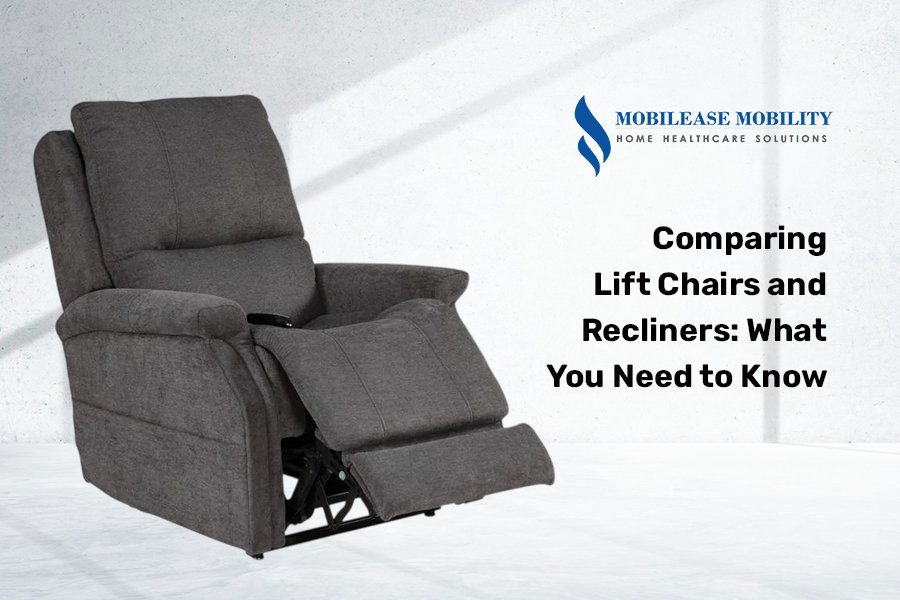
Elegant lift chair recliners comfort and assistance. Unlike traditional recliners, its powered elevating mechanism gently tilts the chair forward. The action prevents knee, hip, and back pain while standing. People recovering from surgery, arthritis, or limited movement prefer this feature because it promotes independence.
New models offer remote controls, adjustable settings, and supporting padding. Many designs reduce fall risk with smooth sitting-to-standing transitions. Seniors and balance-challenged people can utilize this chair daily.
Traditional recliners overview
Standard recliners target relaxation. To rest, read, or watch TV, they lean back, raise the footrest, and support the spine. Although comfy, a living room or bedroom recliner cannot help with standing. Risers must rely on themselves or caregivers.
This chair is for those who seek comfort without mobility. They also have more design options, making them ideal for décor. These seats lack the mobility-focused seating’s benefits.
Power-lift chair benefits
Power lift chairs are special because they enhance movement and comfort. Positioning motors simplify angle adjustments. This helps weak hands and stiff joints. Button presses replace levers and weight shifting.
Benefits include posture. Many models promote neutral spine and pressure distribution. Long sitting is uncomfortable, yet these chairs cushion it. Sedentary persons benefit from better circulation and less weariness.
Daily independence benefits
Life can be changed by an assistive standing chair. Morning mobility increases, and people feel more assured at home. A lift chair recliner reduces caregiver need. Independence boosts mental and physical wellness.
Users experience reduced strain whether answering the door, cooking, or wheeling. The right chair promotes independence. Seating is usually more practical than stylish
Recliners for relaxation
A Recliners Chair for Relaxation is ideal for leisure time relaxation. Deep padding, smooth reclining angles, and plush armrests define these chairs. They suit reading corners and party rooms.
These models focus only on rest, making them suited for younger or less mobile users. Social environments with various seating work for them. However, joint discomfort and balance may be undersupported.
Important design differences
Different designs impact usefulness. For lifting, lift chair recliners have stronger bases and frames. Upholstery promotes hygiene and durability. This design makes the chair durable.
Instead, conventional recliners may emphasize style. Designer materials, thinner profiles, and elaborate stitching are typical. They may seem good, but be unstable. Buyers should prioritize daily appearance or utility.
Support and comfort posture
Long-term health is affected by posture, especially for sitters. The ergonomic design of power lift chairs supports the lower back and neck. Some types allow incremental adjustments to find the right angle.
Casual recliners may not be modifiable. Reclining is usually limited. That design is good for quick rests. Long-term sitting is more comfortable with adjustable seating.
Seasonal lifestyle tips
Seasons impact seating needs more than people realize. Users stay indoors more in winter. A padded lift chair recliner helps alleviate cold-weather pain. When available, heated seats are more comfortable.
Summer upholstery must be breathable. Choose airy textiles to reduce overheating. Many power lift chairs include adjustable leg elevation for summer swelling.
Small space issues
Chair size affects usability in different living spaces. Compact Room Recliners Chairs should hug the walls. Measure space before buying to avoid issues.
Due to their elevating feature, lift chair recliners may take up more room. Location planning ensures safety and efficiency. Users should also check for lifting obstructions.
Safety concerns
Every mobility purchase should prioritize safety. Anti-tip bases and strong lifting mechanisms are prominent in power lift chairs. The characteristics protect consumers during sitting-to-standing transitions. Slip-resistant upholstery and strong armrests improve safety.
Traditional chairs need balance and strength. This restriction can harm unstable persons. Mobility tests determine the safest daily chair.
For rehab and recovery
Surgery or injury might make standing from low seats difficult. A lift chair recliner relieves recovery strain. Doctors and therapists recommend lifting chairs for strength recovery. Without shock, gentle motion helps joints and muscles.
Recliners chair may be comfy, but it is not enough. Patients often need help standing. That mismatch can hinder healing and confidence.
Customization options
Modern chairs are adjustable. Lumbar support, adjustable headrests, and programmable positions are available in power lift chairs. Adjust settings for comfort. Some models have USB ports or storage pockets.
Standard reclining chairs are less adjustable. Reposing is possible but not precise. Individual comfort seekers like the range of lifting models.
Lifestyle compatibility
Furniture should reflect lifestyle. Active home dwellers may benefit from a lift chair recliner. The raising feature reduces daily standing effort and energy use.
Recliners chair may be preferred for nocturnal relaxation. Style and comfort may trump mobility. Matching the chair to daily habits ensures long-term satisfaction.
Caregiver perspective
Caregivers benefit from mobility chairs. Helping someone stand repeatedly strains arms and back. Power lift chairs automate most physical work. This support keeps caregivers healthy while serving others.
Traditional recliners require manual help. It can tire you. Families value safer and simpler caregiving alternatives.
Travel and short-term needs
Some users need a temporary mobility aid. Guests recovering from surgery can stay. Such situations can benefit from supportive equipment rental. MobilEase Mobility Inc. provides customized household seating without a contract.
Recovery without buying permanent stuff is possible with temporary housing. It adjusts to health demands.
Fitting a chair to health
Situations require different seating. Arthritis patients prefer power lift chairs because slow raising reduces joint stress. Adjustable leg elevation may improve circulation.
For people without mobility concerns, recliners chair are great for daily relaxation. Before buying, evaluate medical considerations to ensure the chair favors health above comfort.
Style and home decor
Match furniture to the atmosphere. A lift chair recliner is available in several fabrics and colors. Modern designs are more like living room furniture than clinical.
Many styles of standard recliners remain. Leather finishes, tufted backs, and modern silhouettes are common. If no mobility aid is needed, cosmetic purchasers may prefer these.
Long-term value thinking
Pre-plan seating. Chronic illnesses and aging affect mobility. Selecting a lift chair recliner early prepares households for future demands. Needs may alter, eliminating frequent replacements.
For mobile users, a Recliner Chair for Comfort may endure years. Buyers consider future health when investing.
Practical buying advice
Trying a chair before buying is wise. Sit, recline, and stand to assess comfort. Make sure the controls on power lift chairs are straightforward, and the remote is responsive. Check seat height and cushion firmness.
Measure doors and rooms before delivery. Make sure the chair fits and looks good. Asking about cleaning and upkeep preserves performance.
Real use data
Many families use mobility-assist seating regularly. Morning coffee, reading, and nighttime relaxation are available at one support. Customers of MobilEase Mobility Inc. feel the right chair simplifies and comforts mobility, changing habits.
Users might regret not choosing supportive seating sooner. Such feedback indicates how vital seating is for independence and comfort.
Conclusion
Both chairs are beneficial for different reasons. Independence, safety, and support are highlighted by a lift chair recliner. Traditional reclining chairs are elegant. Smart buyers consider lifestyle, health, and space.
For mobility, elevator technology is helpful. Comfort alone makes classic reclining designs popular. The best solution matches habits, physical needs, and long-term comfort.