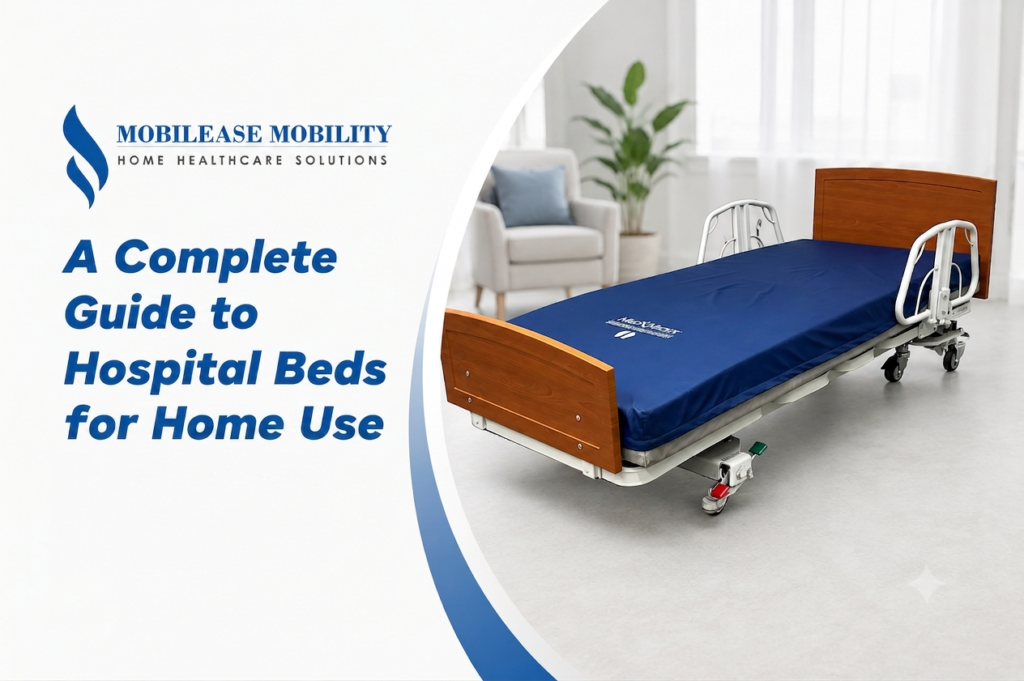
Home healing and long-term health management are easier with the right gear. Patients who need extra support feel comfortable, mobile, and safe in hospital beds. They are easier to change than ordinary beds for users and caregivers.
Choosing the right home hospital bed goes beyond choosing a comfortable mattress. The bed should suit the user’s lifestyle, medical needs, and space. Learning the features can help families choose confidently and create a safer, more supportive home.
Why Home Hospital Beds Improve Life
Modern hospital beds for home use promote recovery and ease care. For those recovering from surgery, with limited mobility, or managing a chronic condition, an adjustable bed lowers physical strain and promotes independence.
Unlike ordinary mattresses, they provide easy sleeping or sitting postures. Dressing, transportation, and personal care are safer and easier for caregivers.
Modern hospital beds are comfortable, functional, and durable, making them ideal for long-term home care without losing convenience.
A Variety of Hospital Beds
Knowing your options helps you choose a care bed.
Manual Beds
Manual hospital beds have hand cranks for head, foot, and height. Users with caregiver assistance and occasional changes improve.
Semi-Electric Beds
Semi-electric models offer manual height adjustment but electronic head and foot controls. They maximize convenience without sacrificing reliability.
Fully Electric Beds
Full height, head, and leg adjustment are available on home electric hospital beds. Easy-to-use hand controls allow users or caregivers to make quick changes, improving daily comfort.
Consider these crucial qualities.
Look beyond appearance to choose the right bed. Key factors affect comfort, safety, and care.
Adjustable Height
Height adjustment simplifies bed-to-wheelchair transfers. Daily caregiving involves less bending.
Adjustable Backrest
Reclining backrests make eating, reading, watching TV, and visiting comfortable.
Leg-Raise
Raising the legs increases circulation, lowers edema, and makes relaxing easier.
Side Rails
Safety rails support readjustment and prevent falls.
Lock wheels
Caregivers can move the bed with locking casters.
Comfort Aids Recovery
Comfort affects mental and physical healing. Long bedtimes can hurt without proper positioning and pressure relief.
Adjustable mattress platforms let hospital bed users choose their most comfortable position all day. These adjustments ease pressure on sensitive areas whether resting, sleeping, or sitting.
A supportive mattress increases sleep and comfort. Different mattresses suit medical and personal needs.
How Hospital Beds Help Caregivers
Family members often give long-term or rehab care. The right gear simplifies daily activities.
Home hospital beds simplify caregiving:
- Help sitting up
- Help with repositioning
- Supporting wheelchair transfers
- Making clothes and hygiene easy
- Reducing caregiver fatigue
The bed can be quickly adjusted without lifting or arduous movements using simple controls, making it safer for everyone.
Important Safety Features
Hospital beds are preferred by families for safety.
Modern beds have safety features to lessen daily risks.
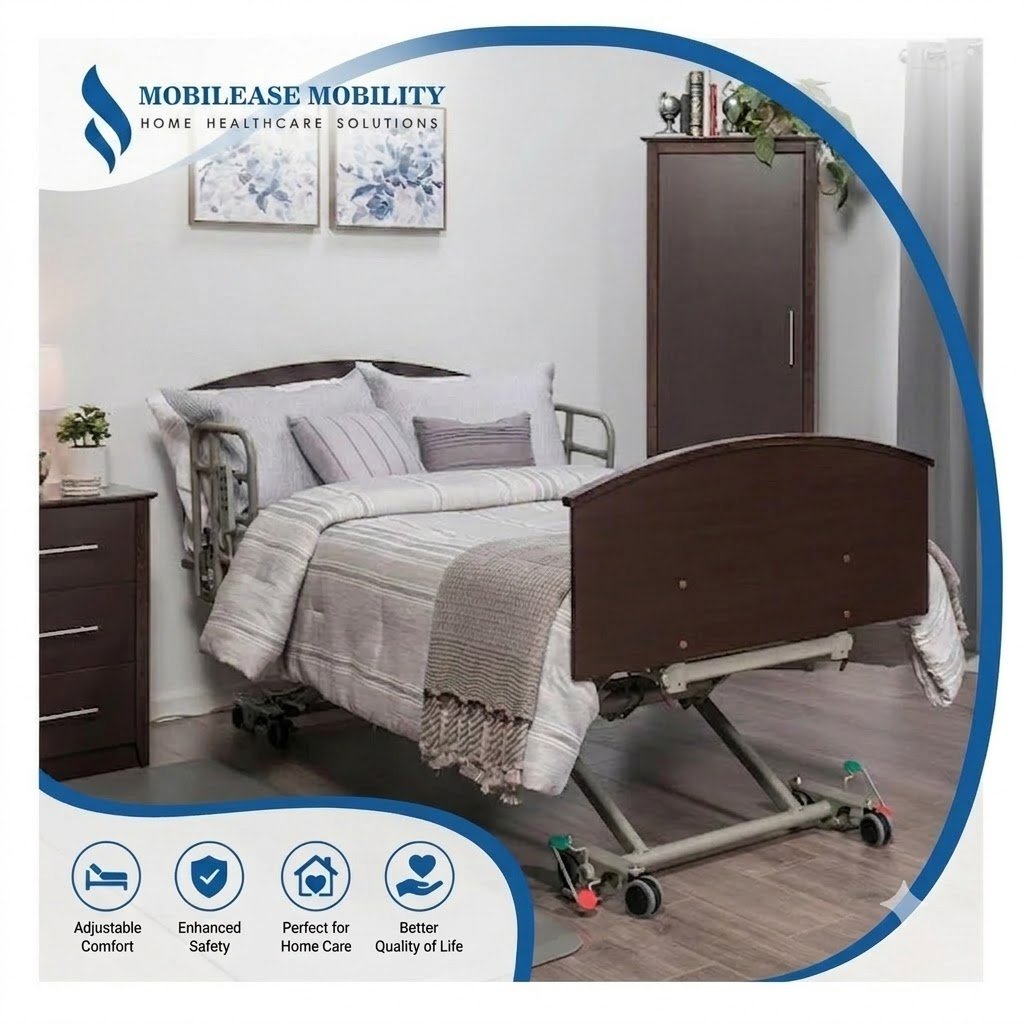
The bed can be lowered for resting and raised for transfers. Side rails stabilize without restricting movement. Strong structure and locking mechanisms prevent unwanted movement even after continuous use.
These security measures help families heal and relax.
Choosing Hospital Beds at Home
Each person has distinct healthcare needs. Determine the patient’s mobility, medical condition, and intended use before picking a bed.
Consider these before choosing:
Daily movement
Some users need repositioning often, others rarely.
Caregiver input
Simple controls are helpful if the family helps daily.
Available space
Measure the bedroom for the bed, movement, and medical equipment.
Future needs
A bed that reacts to health changes can save money over time.
Consider these aspects to guarantee the solution fits changing needs.
Maintaining Hospital Beds for Life
Regular maintenance keeps adjustable beds safe and lasts longer.
Regularly inspect moving parts for smooth operation. Keep controls clean. Make sure wheels and locks work.
Mattresses should be clean and dry for comfort and hygiene. Following manufacturer maintenance requirements extends performance.
Hospital beds for home use last for years with proper maintenance.
Making Home Recovery Comfortable
The bed and surroundings aid healing.
Put the bed in natural light without discomfort. Water, medication, books, and devices should be handy.
Nighttime lighting and clean corridors reduce caregiver and user trip and fall risks.
For physical and emotional recuperation, a clean space is soothing.
Who Can Use Hospital Beds?
These beds are employed in many home healthcare situations, contrary to popular belief.
Adjustable positioning aids post-surgery healing. Limited-mobility seniors gain freedom and comfort. Adjustable sleeping positions may aid persons with neurological, arthritic, respiratory, or long-term disorders.
Home hospital beds are beneficial for rehabilitation and continuous care since they adapt to different care demands.
Supporting Better Homecare
Home healthcare is expanding as more families recover and receive long-term care. With proper equipment, users can maintain dignity, comfort, and independence safely.
Hospitals, long-term care institutions, and households buy high-quality hospital beds from MobilEase Mobility Inc. Safety, durability, comfort, and caregiver simplicity are built into every bed, manual or electric. Choosing the right hospital beds for home use for short-term rehabilitation or continuous care improves everyday living and home care.