
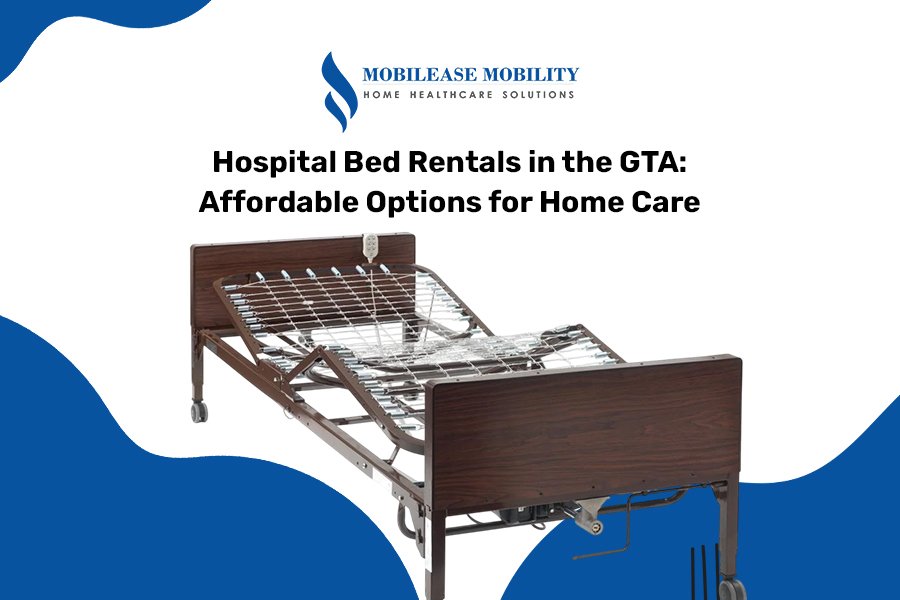
Most families in the GTA don’t start out looking for a hospital bed. It usually comes up in the middle of something else. A hospital stay that was supposed to be short. A fall that didn’t seem serious at first. A parent who suddenly can’t manage nights the way they used to.
Someone mentions that a hospital bed might help, and the room goes quiet because no one really knows what that means yet. By the time people search for hospital bed rentals, they’re already under pressure.
Why a Regular Bed Stops Working
A normal bed is designed for sleeping, not for care. Once mobility changes, small things become big problems. Sitting up takes effort. Getting out of bed feels risky. Caregivers strain their backs trying to help with simple movements.
Families often try to adjust the bed they already have. Extra pillows. Bed risers. Moving furniture around. It works for a short time, then it doesn’t.
That’s usually when someone starts asking about a hospital bed on rent, not because they want medical equipment at home, but because daily routines are getting harder than they should be.
What a Hospital Bed Actually Changes
The biggest difference isn’t the look of the bed. It’s how movement changes.
- Being able to raise the head slightly makes breathing easier. Elevating the legs reduces swelling. Adjusting the height makes transfers safer. These sound like small things, but they add up quickly.
- Care becomes calmer. Less rushed. Less physical strain. For the person in the bed, there’s more control. For the caregiver, there’s less fear of doing something wrong.
A hospital bed for rent quietly removes friction from daily life.
Why Renting Is the Default for Most GTA Families
Buying a hospital bed sounds permanent. Renting doesn’t.
- Most families don’t know how long they’ll need one. Recovery timelines shift. Conditions improve or worsen. Renting keeps decisions flexible.
- That’s why hospital bed rentals are so common across the GTA. They allow families to respond to what’s happening now without locking themselves into something they may not need later.
Space also matters. GTA homes aren’t always designed for large medical equipment. Renting avoids long-term storage problems once the bed is no longer needed.
Cost Is Usually Less Complicated Than Expected
People often assume hospital beds are expensive. Purchasing one can be. Renting usually isn’t.
- Rental costs depend on duration and bed type, but for most families, renting is manageable — especially compared to buying equipment that might only be used for weeks or months.
- What families care about more than price is predictability. Clear rental terms. Straightforward delivery. No surprises when stress is already high.
That’s why rent hospital bed searches usually come with questions about setup, pickup, and timing — not just cost.
Comfort Becomes Important Faster Than People Expect
There’s a common belief that hospital beds are uncomfortable, but discomfort usually comes from poor positioning, not the bed itself.
- Once someone spends more time lying down, pressure points matter. Circulation matters. Being able to shift position without help matters.
- Families often notice that sleep improves after a hospital bed is introduced. Less tossing. Less frustration. Fewer calls for help at night.
These changes don’t feel dramatic, but they change the tone of care.
Caregivers Feel the Difference Immediately
Hospital bed rentals aren’t just about the person receiving care. They protect caregivers.
- Helping someone move into a regular bed is one of the most common sources of caregiver injury. Bending awkwardly. Lifting more than expected. Repeating movements dozens of times a day.
- Adjustable beds reduce that strain. They make care sustainable instead of exhausting.
- For families providing home care in the GTA, this often becomes the deciding factor.
Safety Is the Quiet Reason Behind Most Decisions
Falls don’t always happen during big movements. They happen during small ones. Shifting in bed. Standing up too quickly. Reaching for support that isn’t there.
- Hospital beds reduce these risks in simple ways. Height adjustment. Stable positioning. Optional side support when needed.
- Families don’t always say “safety” out loud, but it’s usually what they’re thinking when they decide to rent a hospital bed.
When Hospital Beds Are Most Commonly Used
Across the GTA, hospital bed rentals are most often used during transitions.
- After surgery.
- After discharge.
- When aging parents begin needing more help at night.
- When long-term care isn’t needed yet, but extra support is.
- They’re also used in longer situations — chronic illness, advanced age, palliative care — where comfort and dignity matter more than anything else.
In every case, the bed supports staying at home longer.
Planning Ahead Reduces Stress Later
Families who have smoother experiences usually take a little time to think ahead.
- Where will the bed go?
- How will caregivers move around it?
- Does the room allow space for adjustments?
- These aren’t medical questions. They’re practical ones. Asking them early avoids scrambling later.
I’ve seen countless occasions whereby the families have always felt that it would have been much more comfortable if they had acted earlier than waiting for the emergencies to unfold before their eyes.
What Hospital Bed Rentals Really Provide
Hospital beds don’t fix everything. They don’t remove the emotional weight of caregiving. They don’t make hard situations easy.
What they do is reduce unnecessary difficulty.
- They make nights calmer.
- Transfers safer.
- Care is more manageable.
For GTA families navigating home care, hospital bed rentals are rarely about medical equipment. They’re about buying time, comfort, and stability during uncertain periods.
When chosen thoughtfully, a hospital bed for rent becomes part of the home — not because it looks like it belongs there, but because life works better with it there. And for most families, that’s the only measure that matters.